

Christian Camps Emerge Stronger One Year After Camp Mystic Tragedy, Says National Association CEO
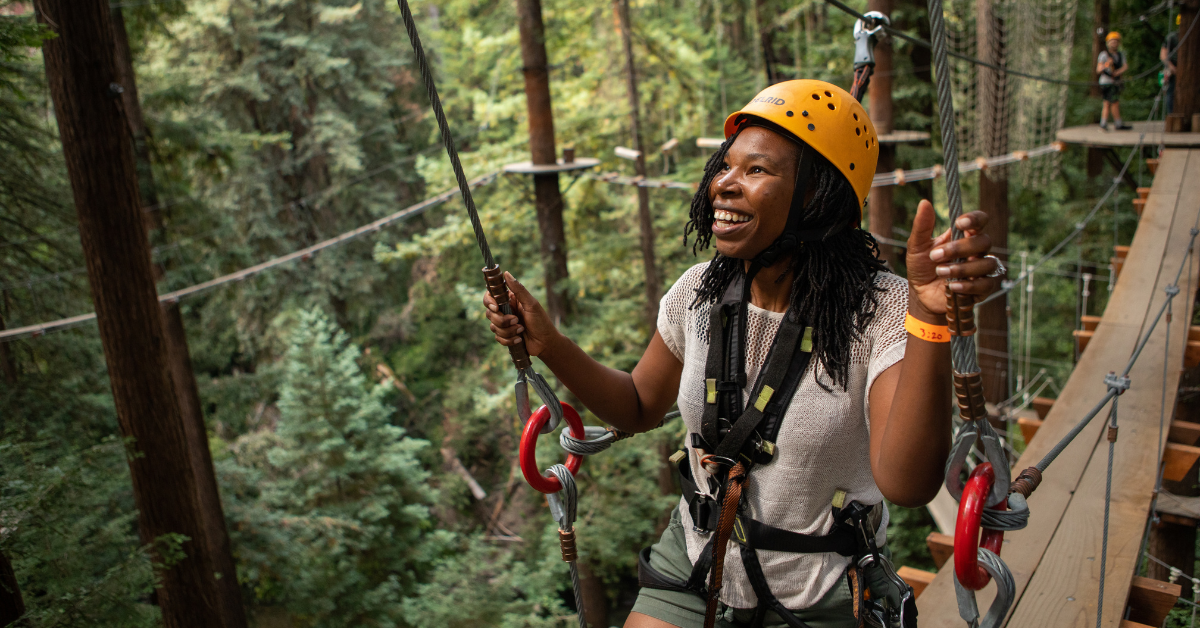
CCCA's Gregg Hunter says the industry's response to the July 2025 flood reflects a safety-first culture that was already in place -- and has only deepened.
COLORADO SPRINGS, CO, UNITED STATES, June 24, 2026 /EINPresswire.com/ -- One year ago, the nation watched in grief as a flash flood tore through the Texas Hill Country and took the lives of 27 young people at Camp Mystic. Campers, counselors, children who had come to camp for the same reason millions of children come every summer. As the first anniversary of that tragedy approaches, Gregg Hunter, President and CEO of Christian Camp and Conference Association (CCCA), says the Christian camping industry has responded with the same spirit that defines its mission: care, responsibility, and unwavering commitment to the young people in its charge."The camp leaders I know already believe that safety is priority No. 1 at camp," said Hunter. "What the past year has done is push all of us to ask: how do we get even stronger?"
CCCA represents more than 800 Christian camps and conference centers across the United States, together serving 7 million campers and guests each year. Camp Mystic was not a member of the association. Hunter says that distinction has never been a reason to look away.
In the months following the tragedy, CCCA member camps conducted additional emergency preparedness training, reviewed and strengthened communication protocols, and invested in new safety infrastructure, including redundant communication systems, NOAA weather monitoring equipment, and evacuation plans practiced before every session begins. One CCCA member camp in Minnesota, for example, now equips all summer staff with CB radios to ensure communication is not reliant on cell service during a natural disaster. Senior staff at that camp also carry NOAA weather radios to receive immediate severe weather alerts.
"When something like this happens, as rare as it is, every camp director I know asks the same question: what would I have done?" Hunter said. "That kind of honest self-examination is exactly what the industry needs. The answer, in camp after camp, has been to review and update plans, train harder, communicate better, and make sure every single staff member knows exactly what to do if conditions change fast."
In the aftermath of the tragedy, a number of state legislatures have moved to address camp safety. Hunter says CCCA supports the intent of that work and has participated in it constructively. But the association is deliberate about what good legislation looks like.
"Christian camp directors are professionals who have dedicated their lives to caring for other people's children," Hunter said. "What legislation can bring is standards built by the people who actually run camps."
CCCA has outlined what it considers the hallmarks of responsible camp-safety law: it must be developed in genuine consultation with the people who actually operate camps; focused on safety outcomes rather than specific technologies or infrastructure; structured to give camps a workable implementation timeline; and informed by what responsible camps are already doing rather than written in isolation from that expertise.
Hunter points to Alabama's Heaven's 27 Camp Safety Act as a model. The legislation requires comprehensive emergency planning, staff training and background checks, weather-alert systems that function without internet connectivity, designated shelters, and clear evacuation protocols. It was crafted with input from camp operators and creates an advisory council to guide ongoing implementation. Hunter describes it as an approach that largely codifies what responsible camps were already doing and raises the floor for the rest.
CCCA has also been clear about what it will oppose: any mandate that imposes technology-specific procurement requirements not grounded in evidence, favors particular vendors or infrastructure providers, or would force the closure of camps that are meeting safety standards but lack the capital to absorb arbitrary new costs.
Despite the grief that has marked the past year, Hunter says the case for Christian camping has never been clearer or more urgent.
"With such high levels of anxiety and depression and suicidal ideation among kids, camp provides this wonderful opportunity for them to break away from day-to-day habits and challenges -- to spend time in creation with caring adults," he said. "They experience success in trying new things. They go home different."
Hunter encourages parents with questions about safety at their child's camp to ask them directly.
"The camp leaders I know welcome those questions," he said. "They are prepared with answers that should satisfy you as a parent."
About Christian Camp and Conference Association:
Christian Camp and Conference Association (CCCA) is the largest association of Christian camps and conference centers in the world, representing more than 800 member organizations serving nearly 7 million guests each year. CCCA is a member of Christian Camping International, a global network of Christian camping associations on six continents. CCCA's mission is to maximize ministry for member camps and conference centers. Learn more at ccca.org.
Zac Hunter
Thelemata
+1 757-304-2279
zac@thelemata.com
Legal Disclaimer:
EIN Presswire provides this news content "as is" without warranty of any kind. We do not accept any responsibility or liability for the accuracy, content, images, videos, licenses, completeness, legality, or reliability of the information contained in this article. If you have any complaints or copyright issues related to this article, kindly contact the author above.
